Introduction to Austrian Cuisine
Austria's culinary landscape is a reflection of its rich history, diverse culture, and the influence of various regions. Known for its delightful flavors and hearty dishes, Austrian cuisine offers a tremendous variety that caters to both traditionalists and modern food enthusiasts. When exploring options, Die besten Gerichte aus Österreich provides comprehensive insights into this gastronomic treasure chest. The country's dishes are not just meals; they are stories and traditions passed down through generations, making them a vital part of Austria's identity.
Understanding the Culinary Heritage of Austria
Austrian cuisine is deeply rooted in its history, showcasing influences from neighboring countries such as Italy, Hungary, and Germany. This mix of cultural influences gives Austrian food its distinct character. Traditional cooking techniques have been carefully preserved and are reflected in various iconic dishes, making Austria a significant player in the world of gastronomy.
The Importance of Tradition in Austrian Dishes
Many Austrian recipes have been passed down through families, often evolving yet remaining faithful to their origins. This respect for tradition ensures that the flavors and techniques used to create classic dishes like Wiener Schnitzel and Sachertorte retain their authenticity. Each bite tells a story of the country’s cultural heritage, encouraging diners to appreciate the past while enjoying contemporary interpretations of these recipes.
How Intercultural Exchange Influences Food
The rich culinary tapestry of Austria has been woven through centuries of intercultural exchange. As merchants and travelers moved through Europe, they brought spices, flavors, and cooking techniques that melded into local practices. This blend is particularly evident in dishes like Marillenknödel, which combines traditional ingredients with influences from Asia. Understanding this dynamic helps us appreciate why Austrian food is so distinctive.
Iconic Dishes: Highlighting the Best
Exploring the Wiener Schnitzel
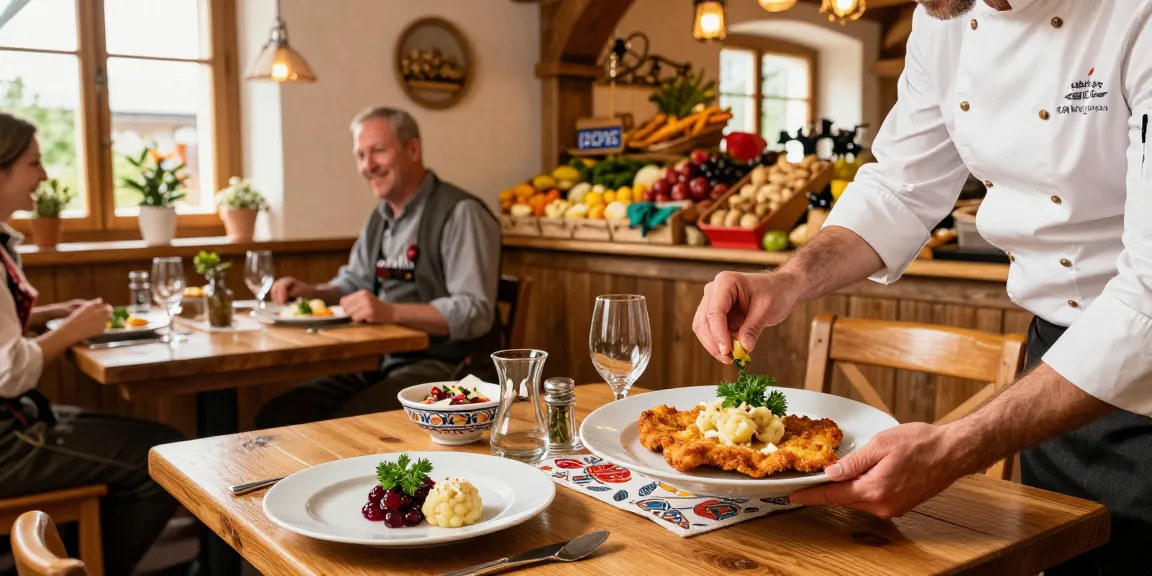
No discussion of Austrian cuisine is complete without mentioning the famous Wiener Schnitzel. This delicious dish consists of a breaded and fried veal cutlet that is golden and crispy on the outside while remaining tender inside. The origin of the Wiener Schnitzel is often linked to Italy, where a similar dish called "cotoletta" emerged. However, it was adopted and refined in Austria, becoming an iconic symbol of the country’s culinary prowess.
The Delights of Marillenknödel
Marillenknödel, or apricot dumplings, are a sweet treat that showcases the versatility of Austrian desserts. These soft dumplings are made from a potato dough and are filled with fresh apricots before being rolled in breadcrumbs and served with powdered sugar. The dish has roots in the region of Wachau, known for its apricot orchards, making it a perfect representation of the local agricultural bounty. Enjoying Marillenknödel is not only a culinary experience but a taste of Austrian summer.
Unraveling the Story of Sachertorte
Sachertorte is perhaps the most famous of all chocolate cakes, renowned around the globe. Created in 1832 by Franz Sacher for Prince Wenzel von Metternich, this decadent dessert has a rich history. It features a dense chocolate cake layered with apricot jam and covered in dark chocolate icing. The Sachertorte has become synonymous with Austrian hospitality, often enjoyed alongside a cup of coffee in traditional Austrian cafes.
Regional Specialties You Must Try
The Flavors of Linzer Torte
The Linzer Torte is not only a culinary delight but also holds the title of the world's oldest known cake recipe. Originating from Linz, this tart features a buttery, almond-based crust filled with red currant jam and topped with a lattice pastry. The dessert’s vibrant flavors and historical significance make it a must-try for visitors to Austria.
Understanding Steirischer Backhendlsalat
Steirischer Backhendlsalat is a refreshing salad that features crispy fried chicken served on a bed of mixed greens, often complemented by a tangy pumpkin seed oil dressing. This dish hails from Styria, a region known for its culinary innovations. By combining hearty proteins with fresh vegetables, Steirischer Backhendlsalat exemplifies the balance of flavors that is essential to Austrian cooking.
Delicious Kasnudeln Recipes
Kasnudeln are delightful cheese dumplings that represent a traditional dish from the Austrian region of Carinthia. Made from simple ingredients like cheese, potatoes, and flour, these dumplings are typically served with melted butter and herbs. The versatility of Kasnudeln allows for various fillings and sauces, appealing to both savory and sweet preferences.
Modern Takes on Traditional Recipes
Reinventing Austrian Classics for Today
The culinary scene in Austria is continuously evolving, with chefs putting modern twists on classical dishes. For example, traditional Wiener Schnitzel might be served with innovative sides, such as quinoa salad or truffle mashed potatoes, appealing to contemporary palates while still honoring its roots.
The Rise of Fusion Cuisine in Austria
Fusion cuisine has gained popularity in Austria, with chefs drawing inspiration from global flavors and ingredients. This trend is evident in dishes that combine flavors and techniques from different cultures, such as Asian-inflected preparations of schnitzel or reimagined Sachertorte with tropical fruits. The fusion of these culinary traditions adds exciting depth and creativity to the dining experience.
Healthy Alternatives to Traditional Dishes
As more diners seek healthier options, Austrian cuisine has adapted to include lighter fare without losing its unique flavors. Vegetable-based versions of classic dishes, such as zucchini schnitzel or healthy fruit-based desserts, provide nutritious alternatives while maintaining the essence of traditional Austrian cooking.
Experiencing Austria Through Food
Food Festivals Celebrating Austrian Cuisine
Austria hosts numerous food festivals throughout the year, celebrating its culinary heritage and regional specialties. Events like the Styrian Pumpkin Festival and the Vienna Wine Festival allow visitors to indulge in local dishes, wines, and cultural experiences. These festivals are perfect opportunities to connect with the local food community and discover new culinary delights.
Tips for Dining Out in Austria
When dining out in Austria, it’s essential to embrace local customs. Tipping is customary, typically rounding up the bill or providing a 10-15% gratuity. Additionally, be prepared to enjoy leisurely meals, as dining is often a social affair. Exploring local restaurants, especially those with a focus on traditional dishes, will provide a genuine taste of Austrian culture.
How to Enjoy Austrian Food at Home
To bring the flavors of Austria to your kitchen, consider trying some traditional recipes. Many Austrian dishes are straightforward to prepare with fresh, high-quality ingredients. Investing in a few staple items like pumpkin seed oil, good-quality flour, and local cheeses can elevate your homemade Austrian cooking. Additionally, watching Austrian cooking shows or following local chefs on social media can inspire your culinary adventures.
What Makes Austrian Cuisine Unique?
The uniqueness of Austrian cuisine lies in its ability to combine simplicity with rich flavors. The use of fresh, locally sourced ingredients, along with time-honored cooking methods, offers a distinctive character that reflects the country’s diverse cultural landscape. From hearty mains to delicate pastries, Austrian food celebrates both tradition and innovation.
Best Practices for Pairing Austrian Dishes with Local Beverages
Austrian wines, particularly those from the Weinviertel and Wachau regions, pair excellently with local dishes. For instance, crisp Grüner Veltliner complements the richness of Wiener Schnitzel, while a dessert wine like Trockenbeerenauslese enhances the sweetness of Sachertorte. Understanding these pairings can elevate your dining experience and showcase the harmonious relationship between food and drink in Austrian culture.